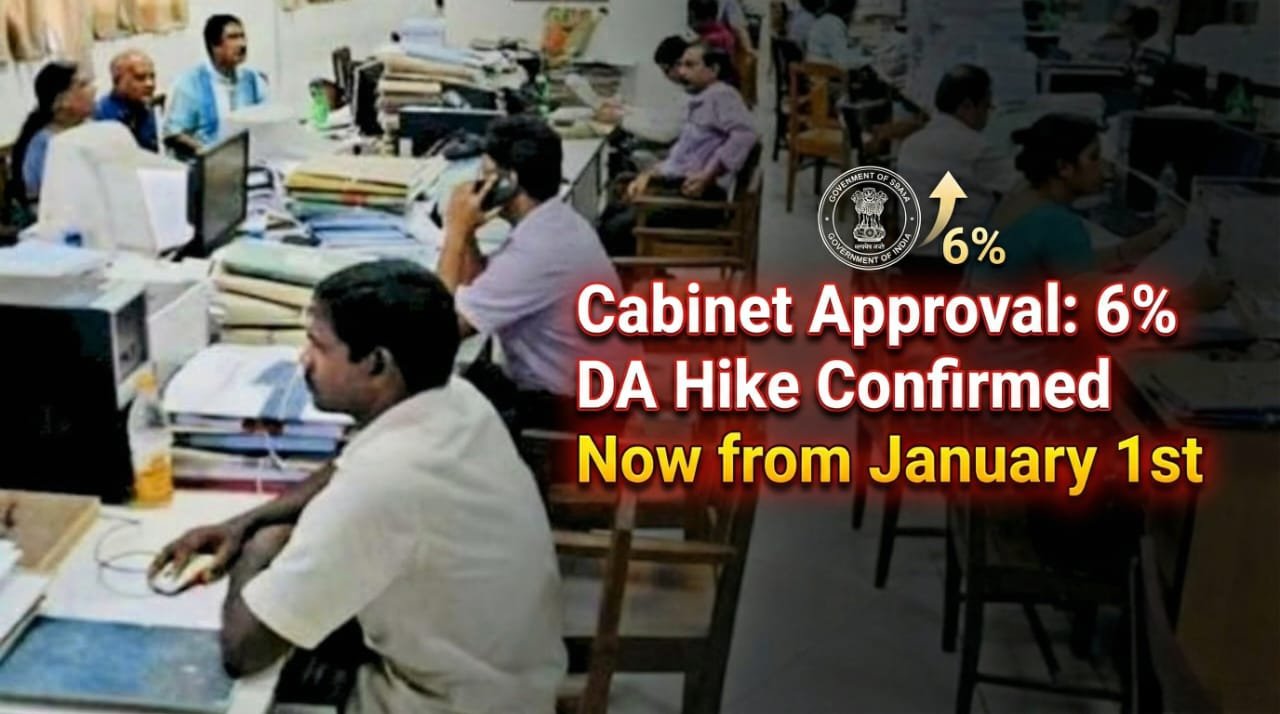
The announcement of a 6 percent DA hike has brought a wave of relief and optimism among government employees and pensioners. With inflation steadily affecting household budgets, this increase in Dearness Allowance aims to balance rising living costs and protect purchasing power. But what exactly is DA, why does it increase, and how does this 6 percent hike impact salaries and pensions?
Understanding Dearness Allowance (DA)
Dearness Allowance, commonly known as DA, is a component of salary paid to government employees and pensioners to offset the impact of inflation. Since the cost of living keeps changing due to price rises in food, fuel, housing, and daily essentials, DA helps employees maintain their standard of living.
DA is calculated as a percentage of an employee’s basic salary and is revised periodically, usually twice a year. These revisions are based on changes in the Consumer Price Index (CPI), which measures inflation.
What Does a 6 Percent DA Hike Mean?
A 6 percent DA hike means that the Dearness Allowance has been increased by six percentage points over the existing rate. For example, if DA was previously 46 percent, it will now become 52 percent after the hike.
This increase directly impacts:
- Monthly salary of government employees
- Pension amounts for retired employees
- Overall take-home income
Simply put, a higher DA equals more money in hand every month.
Who Benefits from the DA Hike?
The 6 percent DA hike benefits a large section of people, including:
Central Government Employees
Employees working under the central government receive immediate benefits, as their monthly salary increases.
State Government Employees
Many state governments follow central DA rates. Once approved, state employees may also see a similar hike.
Pensioners
Retired government employees receive Dearness Relief (DR), which mirrors DA. A 6 percent hike increases pension payouts.
Family Pensioners
Families of deceased employees receiving pensions also benefit from the increased DR.
Salary Impact of the 6 Percent DA Hike
The impact of a 6 percent DA hike varies depending on the basic pay. Here’s a simple example:
- Basic Pay: ₹30,000
- Previous DA (46%): ₹13,800
- New DA (52%): ₹15,600
Increase in DA: ₹1,800 per month
Over a year, this adds up to ₹21,600, which is a significant boost for middle-income households.
Why Does the Government Increase DA?
The government increases DA mainly to:
- Protect employees from inflation
- Maintain purchasing power
- Support household expenses
- Ensure fair compensation
Rising prices of fuel, food items, rent, and healthcare make it essential to revise DA regularly. Without these hikes, employees’ real income would shrink.
Economic Impact of the DA Hike
The 6 percent DA hike doesn’t just help employees; it also impacts the economy.
Positive Effects
- Increased consumer spending
- Boost in demand for goods and services
- Improved financial stability for families
Challenges
- Higher burden on government finances
- Increased fiscal expenditure
However, the overall impact is usually positive, as increased spending helps economic growth.
DA Hike and Inflation: The Connection
DA is closely linked to inflation. When inflation rises, DA is increased to neutralize its effects. The 6 percent DA hike indicates that inflation levels were high enough to justify a significant revision.
This system ensures that salaries keep pace with changing economic conditions, offering a cushion against rising costs.
How Often Is DA Revised?
DA is generally revised twice a year:
- January
- July
However, announcements may come later, with arrears paid for previous months. Employees often receive lump-sum arrears along with revised salaries.
Is the 6 percent DA hike permanent?
Yes, once implemented, the revised DA becomes part of the salary until the next revision.
Will private-sector employees benefit?
DA hikes apply mainly to government employees. However, private companies may revise salaries independently.
Are arrears paid with the DA hike?
In many cases, arrears are paid from the effective date if there’s a delay in announcement.
Why the 6 Percent DA Hike Matters So Much
For many families, this increase helps manage Rising grocery bills Fuel expenses Children’s education costs Healthcare needs
Even though it may seem like a small percentage, the monthly and yearly impact is meaningful.